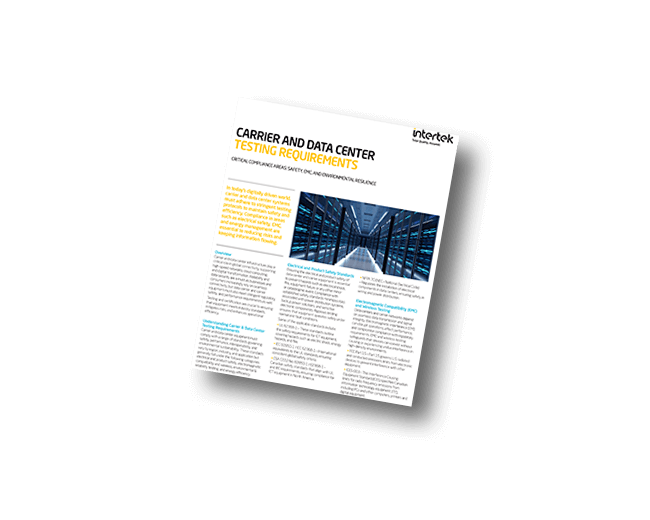
Independent lifecycle support for high-performance data centers
Organizations that plan, build, or operate data centers need reliable performance data to confirm that critical systems meet requirements for uptime, cooling capacity, electrical reliability, cybersecurity, and long-term resilience. These factors influence continuity of service, power use, and a facility’s ability to scale with rising digital and AI-driven workloads.
At Intertek, we provide data center testing, inspection, commissioning, and certification services that evaluate how facilities perform under electrical load, thermal demand, environmental conditions, and ICT requirements. Our teams work across North America with building science, electrical and mechanical engineering, enclosure performance, information and communications technology, cybersecurity, and integrated commissioning expertise. We support owners, developers, architects, engineers, contractors, and operators as they meet applicable standards, reduce project risk, and document performance from early design through go-live and ongoing operation.
Intertek's Data Center Solutions
How Intertek Supports Data Center Owners and Operators
Intertek delivers coordinated data center testing, inspection, commissioning, and certification. We support new data center construction, expansions, retrofits, colocation environments, hyperscale facilities, and enterprise data centers. Our goal is to provide dependable technical data and documentation used by project teams throughout data center design, construction, and operations.
What You Can Expect From Intertek
- Accredited data center specialists across North America
- Integrated testing, inspection, commissioning, and certification services
- Electrical, mechanical, cooling, enclosure, and ICT system evaluation
- Field diagnostics, troubleshooting, and operational assessments
Detailed technical documentation for design teams, operators, and regulatory authorities.
What are the Three Phases of a Data Center Project?
The three phases are Design, Build, and Commission.
Data centers perform best when evaluated across these connected phases.
- Data Center Design establishes system intent, site conditions, environmental factors, and operational requirements.
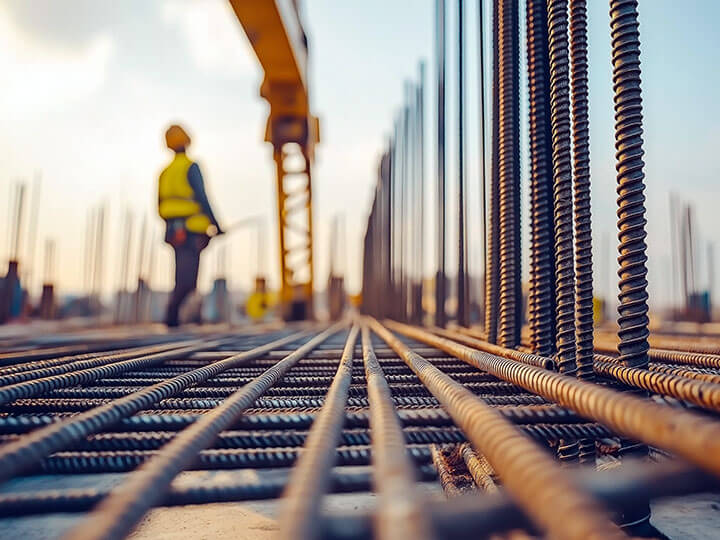
- Data Center Build verifies materials, construction practices, enclosure performance, mechanical systems, electrical installations, and information and communications technology networks.
- Data Center Commission confirms that all systems operate as intended under load and support continuous operation.
Intertek provides independent support across each phase to reduce risk, confirm data center compliance, and prepare facilities for reliable performance.
What Challenges do Data Centers Face?
Global data center demand continues to grow rapidly, with the market valued at about $348 billion in 2024 and projected to grow by more than 11 percent annually through 2030. This expansion is increasing the need for verified performance across electrical, mechanical, enclosure, information and communications technology, and cybersecurity systems.
Industry forecasts estimate global data center power demand may reach 130 gigawatts by 2028, making electrical reliability and commissioning performance central to project success. AI-driven workloads and higher rack densities are also creating new requirements for liquid cooling, power quality validation, airflow management, and operational redundancy.
Intertek helps project teams address these challenges through lifecycle evaluation grounded in standards from ASHRAE (American Society of Heating, Refrigerating and Air-Conditioning Engineers), IEEE, ISO, NFPA, BICSI, and NIST (National Institute of Standards and Technology).
External references
- ASHRAE TC 9.9 Thermal Guidelines: https://www.ashrae.org
- IEEE Standards Association: https://standards.ieee.org
- NIST Cybersecurity Framework: https://www.nist.gov/cyberframework
- ISO Standards: https://www.iso.org
- NFPA Standards: https://www.nfpa.org
- EPA Indoor Air Quality: https://www.epa.gov/indoor-air-quality-iaq
What trends are driving change in data centers?
AI infrastructure adoption, higher heat loads, rapid build timelines, and rising energy requirements are influencing how data centers are designed, tested, and commissioned.
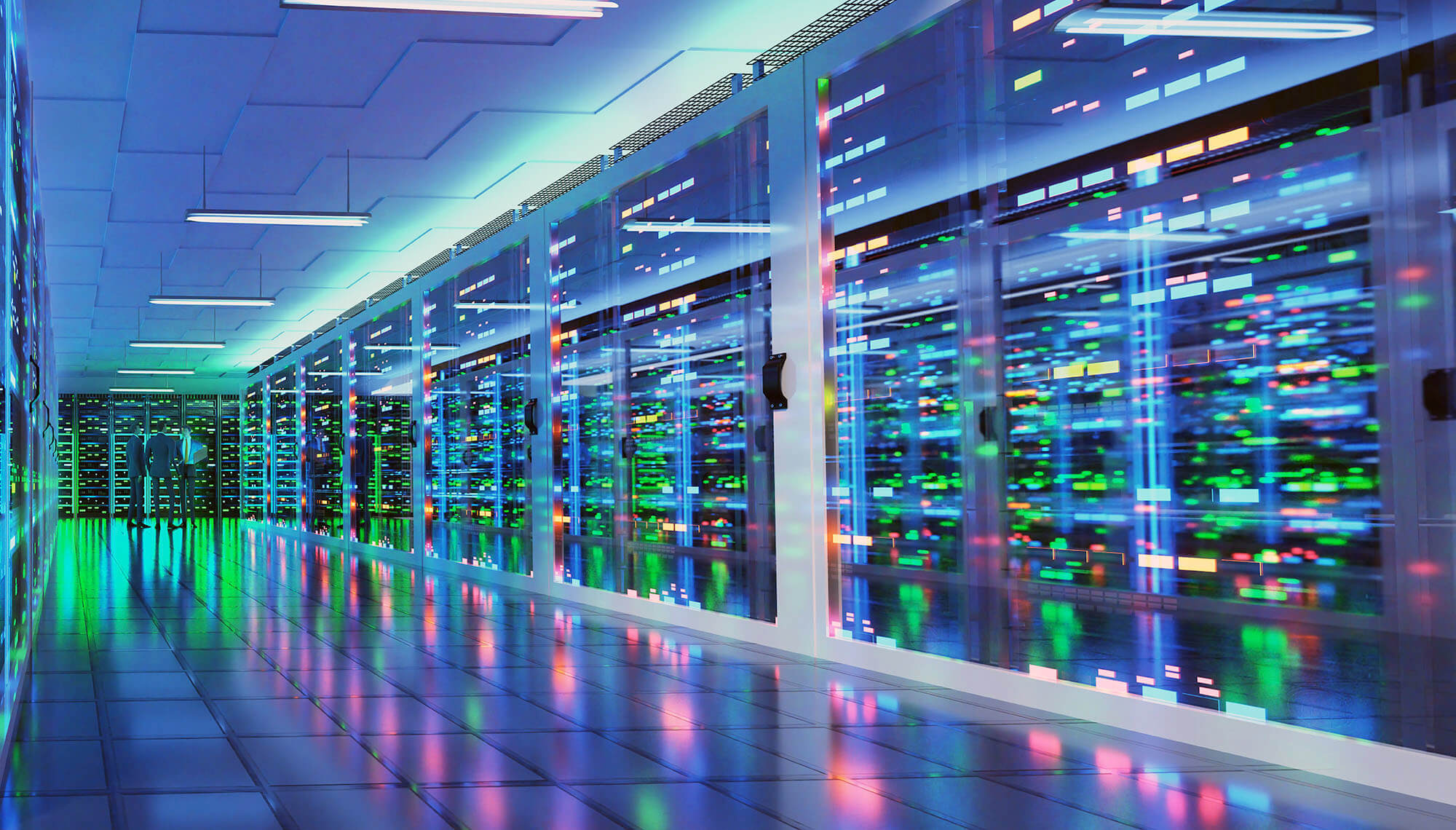
How does Intertek Support the Data Center Design Phase?
What services are included in the Data Center Design phase?
Intertek provides mechanical, electrical, building science, environmental, and information and communications technology evaluations that help project teams confirm system intent and reduce early design risk. Early engagement in data center procurement planning and vendor assurance is essential for ensuring suppliers are vetted for quality, capability, and safety from the very start, mitigating risks before the build begins.
- Engineering and peer review for mechanical, electrical, heating, ventilation, air conditioning, and refrigeration (HVAC R), acoustic, fire, and building systems
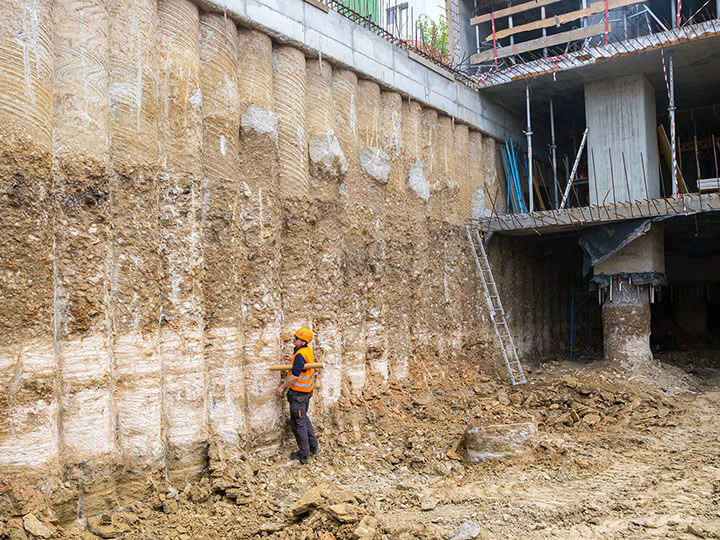
- Environmental and geotechnical due diligence for site and subsurface conditions
- Data center electrical design
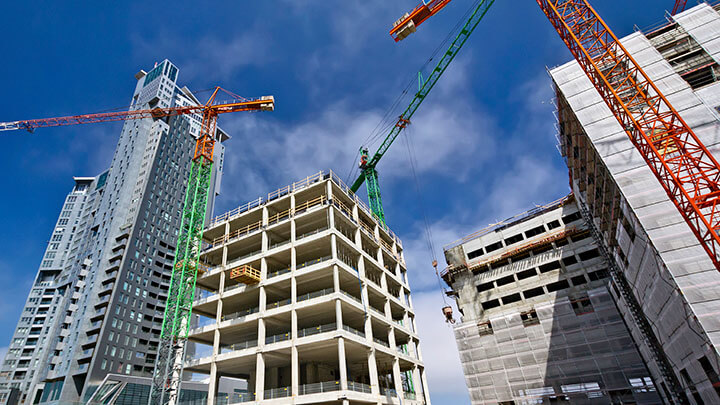
- Building enclosure engineering and consulting for air, water, thermal, and structural performance
- Acoustic, fire, failure analysis, and roofing consulting
- Site selection support, including geotechnical investigations and hazardous materials assessments
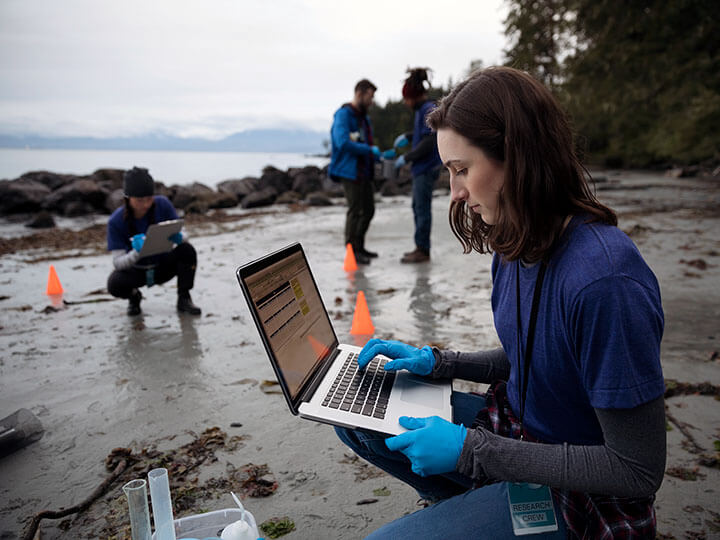
- Industrial hygiene evaluations and indoor environmental quality assessments
Data Center Design Phase Summary Table
This table outlines data center design phase services that establish performance requirements and reduce early uncertainty.
|
Design Area |
What Intertek Provides |
Why It Matters |
|
Engineering Review |
Mechanical, electrical, HVAC R, acoustic, and life safety evaluations |
Confirms systems align with expected operating conditions |
|
Enclosure Consulting |
Air, water, thermal, and structural analysis |
Reduces air leakage, moisture, and thermal risks |
|
Environmental Due Diligence |
Subsurface, indoor air quality, and hazardous materials review |
Confirms site suitability and regulatory needs |
|
Geotechnical Services |
Soil and subsurface investigation |
Supports foundation and structural design |
|
Building Science |
Failure analysis and roofing assessment |
Identifies vulnerabilities before procurement |
How does Intertek support the Data Center Build Phase?
What services are included in the Data Center Build phase?
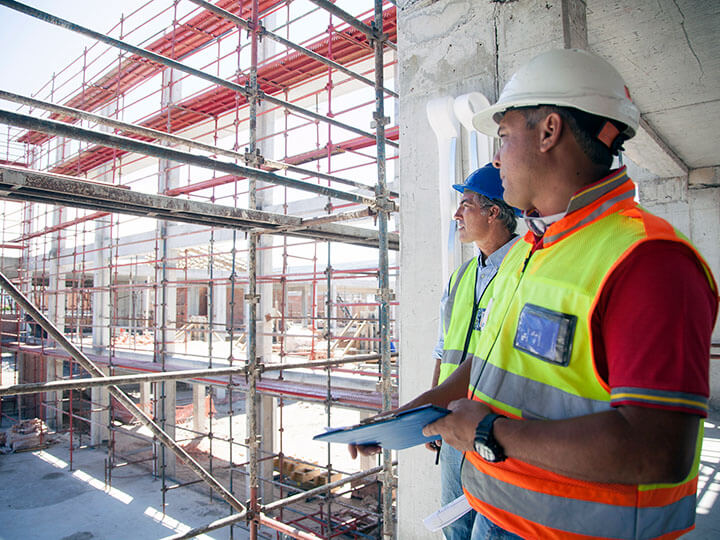
Intertek supports data center construction teams with field testing, inspections, building enclosure verification, mechanical system checks, nondestructive examination, and information and communications technology validation to help maintain schedule and quality. A proactive approach to quality assurance is essential for avoiding construction delays. Our services, such as data center inspection and expediting, provide the thorough oversight needed to navigate supply chain complexities and ensure components are delivered on time and to spec. Intertek has spent decades helping clients keep projects on track by leveraging our global footprint and millions of hours of inspection activities.
- Data center construction
- Data center inspection
- Data center monitoring
- Data center building enclosure field testing for air infiltration, water penetration, and structural performance
- Construction materials, building product testing, and inspection
- Nondestructive examination for steel, piping, tanks, and related components
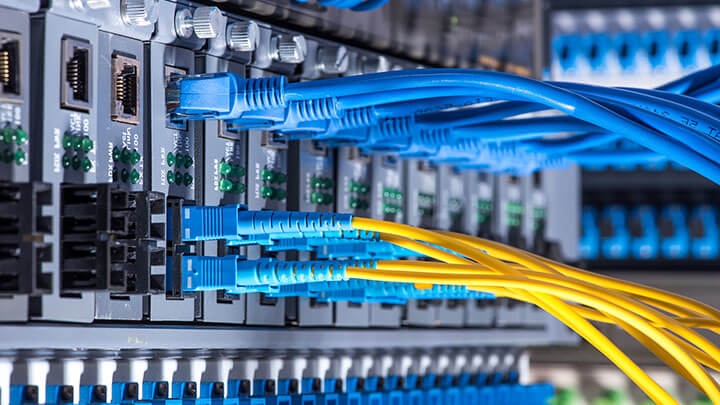
- Information and communications technology testing for NEBS, Verizon requirements, fiber performance, cabling, and equipment validation
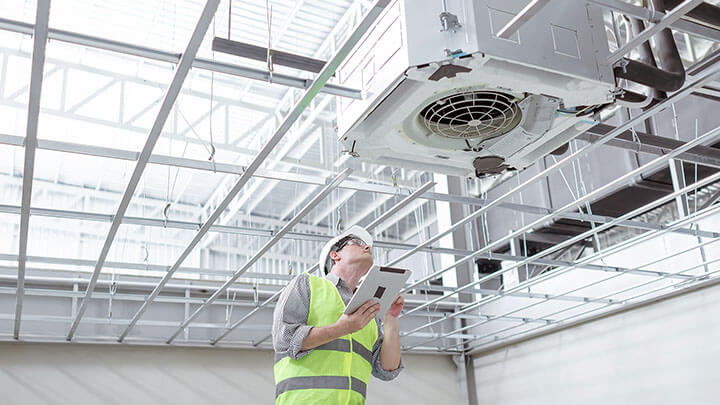
- Mechanical and HVAC R performance evaluations
Data Center Build Phase Summary Table
This table highlights data center build phase services that support data center construction quality and performance verification.
|
Build Area |
What Intertek Provides |
Why It Matters |
|
Data center Inspection |
Field verification of installation and workmanship |
Helps prevent rework and scheduling delays |
|
Enclosure Testing |
Air, water, and structural field testing |
Confirms envelope readiness under pressure or weather load |
|
Nondestructive Examination |
Evaluation of steel, piping, and equipment |
Detects hidden defects before operation |
|
ICT Testing |
Fiber, cabling, and telecom performance |
Supports network reliability and system interoperability |
|
Mechanical System Review |
HVAC R performance checks |
Verifies cooling readiness and system balance |
How does Intertek support the Data Center Commission Phase?
What services are included in the Data Center Commission phase?
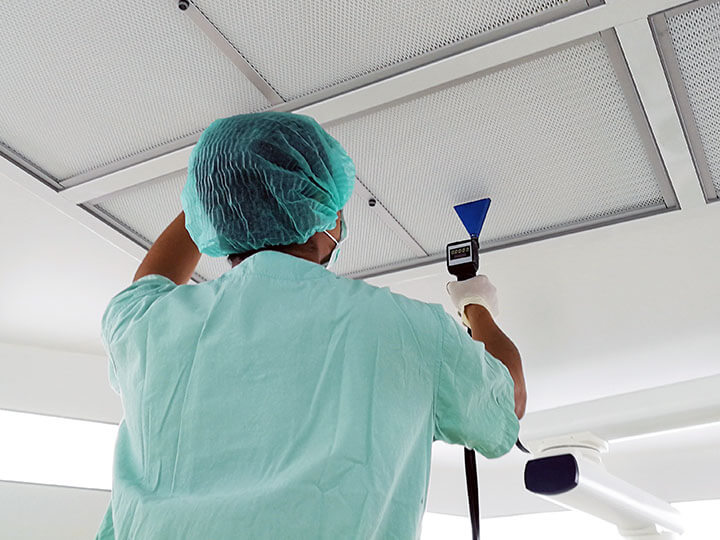
Intertek validates that electrical, mechanical, enclosure, information and communications technology, cybersecurity, and environmental systems operate as intended. Commissioning includes functional testing, performance evaluation under load, and documentation for turnover.
- Building enclosure commissioning
- Data center compliance
- Functional data center testing for electrical and mechanical systems
- Power quality testing, including harmonics, voltage stability and load behavior
- IoT and wireless testing, including FCC compliance and device interoperability
- Cybersecurity assessments, including penetration testing and FIPS 140 2 validation
- Product and systems certification
- Data center testing for acoustical and noise evaluation
- Laser scanning, modeling, and surveying
- Indoor air quality evaluations and WELL Building Standard support
- Decommissioning and property transfer services



Data Center Commission Phase Summary Table
This table outlines data center commissioning services that verify operational readiness and support continuous performance.
|
Commission Area |
What Intertek Provides |
Why It Matters |
|
System Commissioning |
Functional data center testing for electrical and mechanical systems |
Confirms systems work as intended |
|
Power Quality |
Harmonics, load, and voltage evaluation |
Helps prevent outages and equipment failures |
|
Cybersecurity |
Penetration testing and device validation |
Supports data center protection and data center compliance |
|
IAQ and WELL |
Air quality and environmental testing |
Supports health and operational needs |
|
Asset Documentation |
Scanning and modeling |
Aids long-term planning |
What Specialized or Emerging Services Support Today’s Data Centers?
Higher-density computing loads and liquid or immersion-cooling systems change how cooling and materials need to be evaluated, especially when confirming thermal balance, airflow containment, and material compatibility. AI-ready infrastructure is growing quickly, with density-driven growth expected to exceed 30 percent a year through 2030. As systems run hotter and work harder, projects need more detailed thermal and electrical verification.
What advanced services are available?
Intertek provides advanced data center testing for high-density computing environments, artificial intelligence workloads, increased security requirements, or non-traditional cooling systems.
- Cybersecurity evaluation
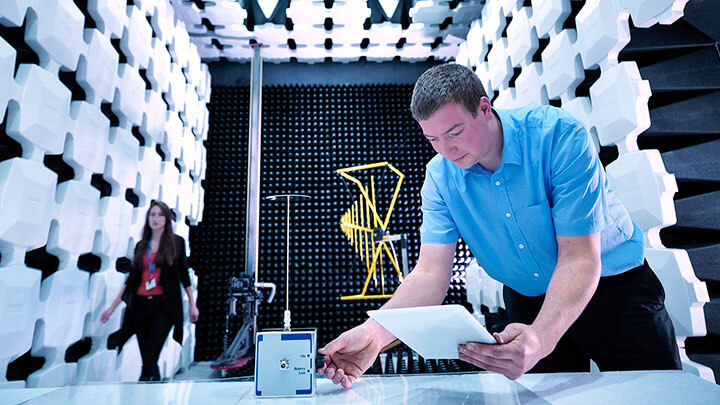
- Electromagnetic compatibility testing
- Battery and energy storage testing
- Liquid cooling and immersion cooling evaluation
- Acoustical evaluation
- Fire resistance and life safety testing
- Wind and structural performance evaluation
- Flood exposure testing
- Weathering and environmental durability testing



Frequently Asked Questions (FAQs)
Electrical systems are tested in accordance with IEEE, ANSI, and UL standards to verify load behavior, redundancy, harmonics, and voltage stability.
Cooling performance is evaluated using ASHRAE guidelines to assess airflow, heat rejection, thermal balance, and capacity.
Cybersecurity testing follows NIST and FIPS frameworks to evaluate vulnerabilities, encryption strength, and device security.
Yes. Intertek evaluates electrical, mechanical, enclosure, information and communications technology, indoor air quality, and environmental systems in active facilities.
Data center commissioning includes performance testing for electrical and mechanical systems, enclosure evaluation, power quality analysis, cybersecurity review, and documentation for facility turnover.
Redundancy and uptime are evaluated through electrical load testing, mechanical system checks, enclosure validation, and verification against Tier-based design objectives.
Information and communications technology systems are tested for fiber performance, cabling integrity, equipment validation, and network requirements using NEBS, Verizon, and telecom performance standards.
High-density and liquid-cooling systems are evaluated using ASHRAE and ISO guidance to confirm flow performance, thermal behavior, and containment.
Building enclosure performance is verified through air infiltration testing, water penetration testing, and structural load evaluations.
Indoor air quality is evaluated through particulate measurements, ventilation assessments, and environmental samplings to confirm that conditions support equipment and personnel.
Battery and energy storage systems are tested for fire and thermal behavior under UL and NFPA standards to confirm safe operation and backup performance.
Electromagnetic compatibility testing confirms that equipment does not interfere with sensitive devices and meets IEC and FCC requirements.
People Also Ask
Preparation includes verifying installation readiness, confirming the status of mechanical and electrical equipment, validating enclosure conditions, and reviewing documentation required for performance testing.
Thermal management follows ASHRAE guidelines for temperature, humidity, airflow, and heat rejection.
Electrical harmonics are measured during power quality testing to confirm load behavior and equipment stability.
Independent laboratories and field teams with mechanical, electrical, building science, and information and communications technology expertise conduct testing and commissioning.
Operational changes, new equipment, increased cooling loads, cybersecurity requirements, or facility upgrades drive retesting.
Backup power systems are evaluated for electrical load response, thermal behavior, battery performance, and mechanical stability.
Data Center Resources