
ABYC C-5 Now Recognized as an Equivalent to UL 1104 by the U.S. Coast Guard
12 Aug 2026
What Boat Builders Need to Know
For decades, navigation light systems installed on vessels greater than 65 feet have been evaluated using UL 1104, Standard for Marine Navigation Lights. While the standard supported product reliability and performance, it has not kept pace with modern lighting technologies, particularly the widespread adoption of LED navigation lights.
The recent approval of ABYC C-5 Construction and Testing of Electric Navigation Lights as an equivalent standard to UL 1104 marks an important milestone for the marine industry. The update gives boat builders and navigation light manufacturers a realistic pathway that reflects today's product designs, manufacturing methods, and performance expectations while continuing to support safe operation on the water.
Why the Change Matters
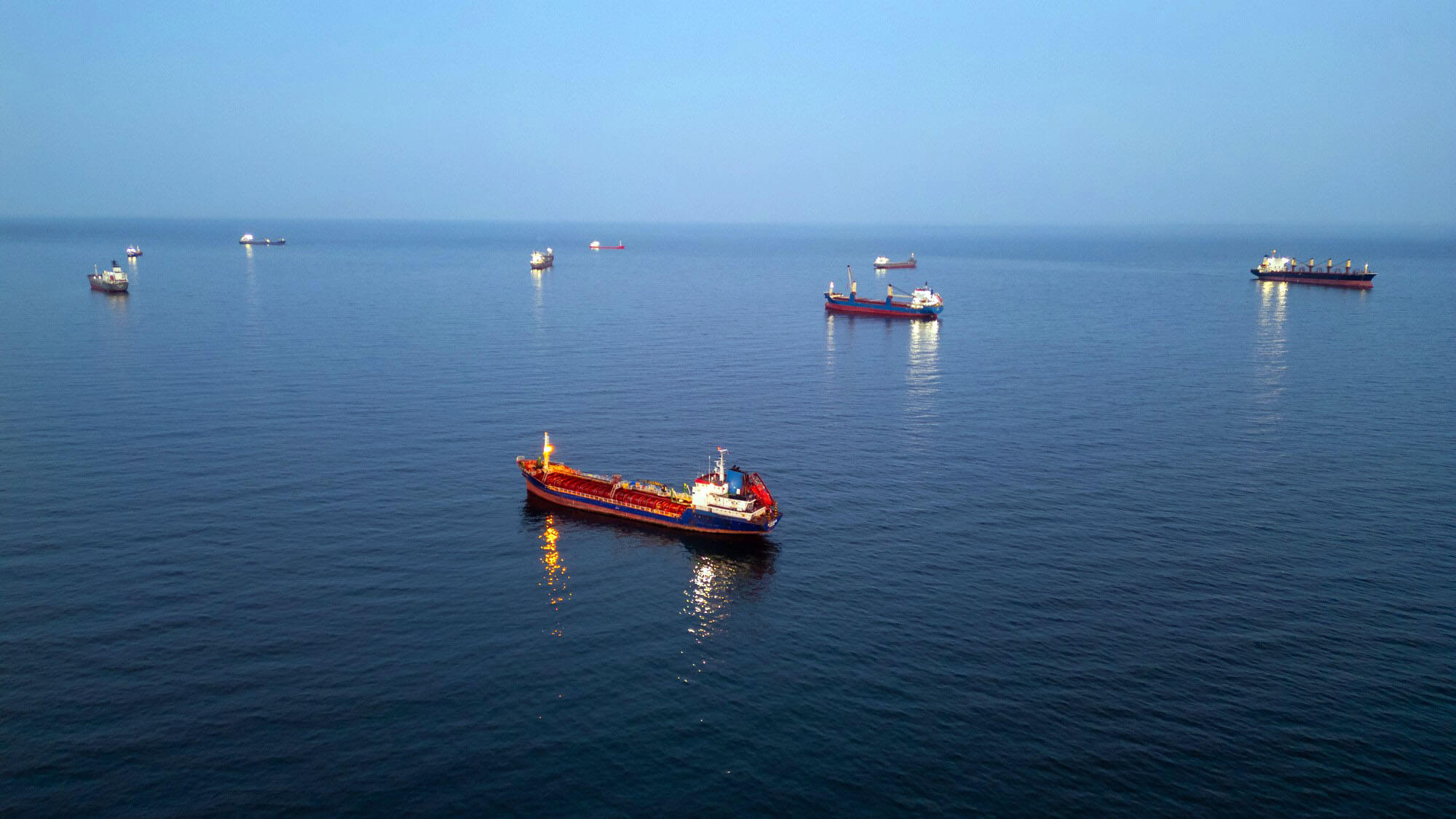
Navigation lights are critical safety devices. They allow vessels to communicate their position, direction, and status during nighttime operation and periods of reduced visibility. To perform as intended, these products must maintain consistent color, visibility, and durability throughout their service life.
Since 1981, UL 1104 has provided the basis for evaluating these products. However, the standard was originally developed around incandescent lighting technologies, and the last revision of the standard was in 1998. As LEDs became the dominant light source for marine applications, manufacturers increasingly found themselves working with requirements that did not fully address modern optical designs or electronic control systems.
ABYC C-5 was developed specifically to reflect current navigation lighting technology and industry practices. Its recognition as an equivalent standard provides manufacturers with an updated compliance option without compromising safety. It also serves as a single standard outside of, and referencing, the CFR for testing requirements for any length vessel.
What Does This Mean for Existing Products?
The recognition of ABYC C-5 does not invalidate products previously evaluated to UL 1104. Existing certifications remain subject to the applicable certification program requirements.
However, manufacturers developing new navigation lighting products—or boat builders specifying lighting for future vessel platforms—should evaluate to ABYC C-5.
Considerations for Boat Builders
Boat builders should review their current navigation lighting specifications as new models enter development.
Questions to consider include:
- Are your navigation lights certified using the most current compliance pathway?
- Are LED lighting technologies being fully evaluated under modern performance requirements?
- Are supplier certifications aligned and comply with ABYC C-5?
Addressing these questions early in the design cycle can help reduce certification delays and minimize redesign late in production.
How Intertek Can Help
Intertek is a U.S. Coast Guard-accepted independent laboratory under approval series 111.075 to certify navigation lights that meet ABYC C-5. We also work with marine equipment manufacturers and boat builders to evaluate navigation lighting systems against applicable U.S. Coast Guard requirements found in Title 33 and Title 46 of the CFR. Our engineers provide testing, certification, technical guidance, and compliance support throughout the product development process.
Whether you're introducing an innovative LED navigation light, updating an existing product family, or seeking guidance on the transition to ABYC C-5, Intertek can help identify the appropriate certification pathway and streamline market access.
As marine technologies continue to evolve, keeping pace with updated standards helps manufacturers reduce compliance risk while bringing safer, more innovative products to market.

You may be interested in...
Maritime Lighting & US Coast Guard Requirements | Fact Sheet
Navigation lights must meet specific optical, environmental, and mechanical performance requirements to support vessel safety and regulatory compliance.